The Scientists Fighting to Help Wildfire Survivors Heal
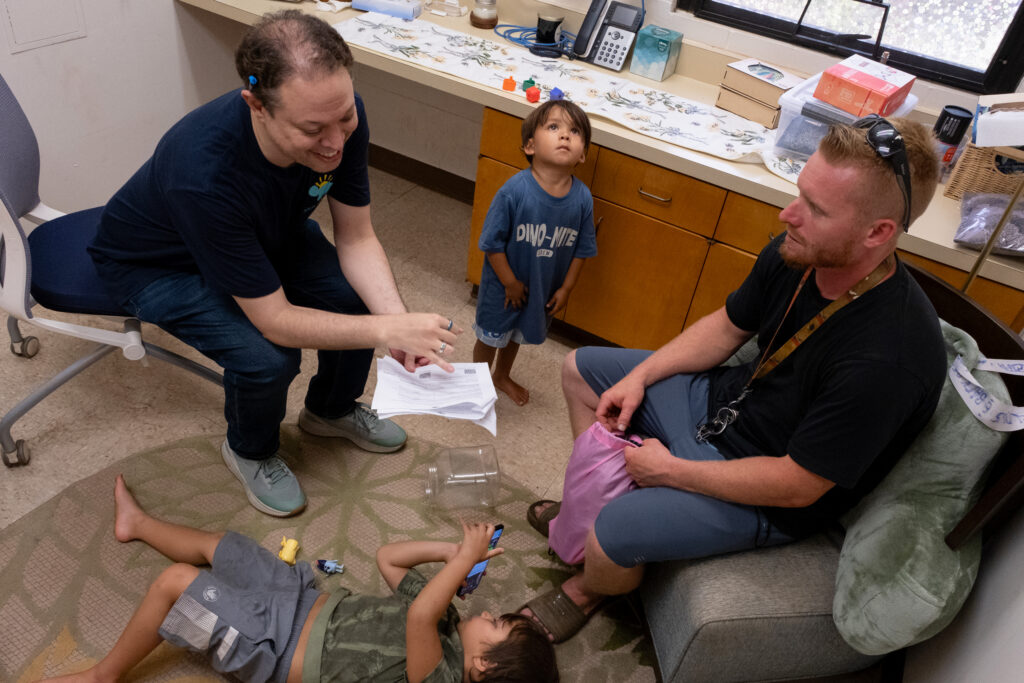
I keep thinking about that 45-minute flight Juarez has taken dozens of times over three years. It's such a small, concrete detail, but it says everything about how disaster recovery actually works. The cameras leave, the donations slow down, and yet here's a researcher still showing up on a Saturday morning, month after month, because the health impacts of a fire like Lahaina don't follow a news cycle.
What I find most striking is the quiet persistence involved. It's the grind of building trust and gathering data in a community that's been through something unspeakable. I'd want to know more about what Juarez and his colleagues are actually measuring, whether it's respiratory issues, mental health, or the stress of displacement. The piece seems to be the first of two, so I hope the second part digs into what they're learning and what it means for policy.
The bigger picture here is that we tend to treat disasters as isolated events, but the aftermath is where the real work happens. If we're serious about climate resilience, we need to fund this kind of long-term science as much as the emergency response. Otherwise, we're leaving survivors to heal on their own.