NASA's SkyFall Mars helicopters will wear tiny capes
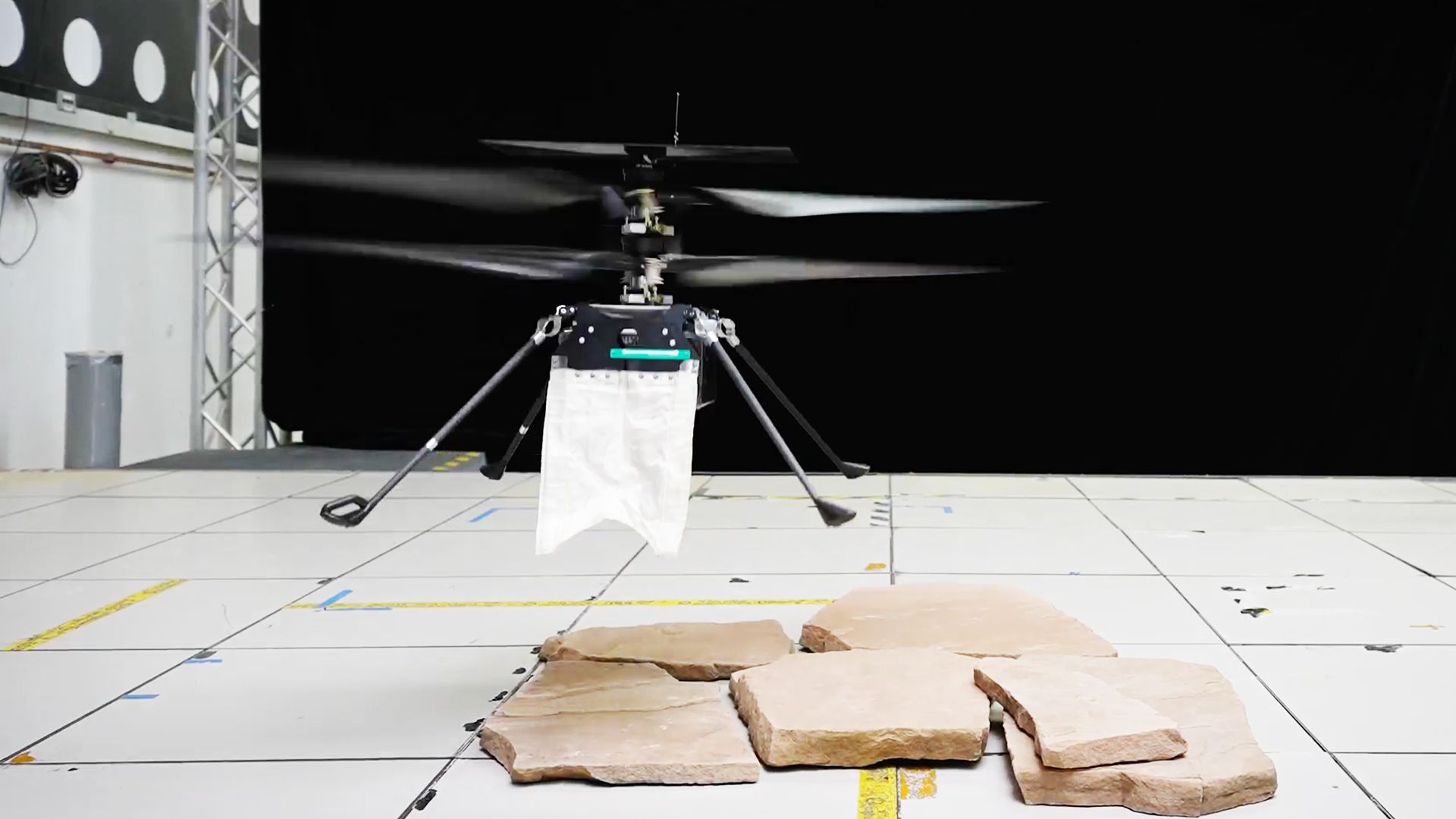
When we think of Mars exploration, we imagine hulking rovers and towering rockets, but sometimes the most ingenious solutions come in the smallest packages. NASA's SkyFall helicopters, with their "tiny capes," are a perfect example of how form and function collide in the most unexpected ways. At first glance, the capes might seem like a whimsical nod to comic-book aesthetics, but they're actually a testament to the kind of out-of-the-box thinking that space exploration demands. On Mars, where the atmosphere is a mere 1% of Earth's, every gram of mass, every degree of temperature, and every speck of dust matters. A cape isn't just a cape—it's a survival tool.
The description tells us these capes "carry some serious technology," which suggests they're not just passive fabric. They could be embedded with heating elements to keep the helicopter's batteries warm during frigid Martian nights, or they might use electrostatic fields to repel the fine, clingy dust that has plagued solar panels on missions like InSight. Alternatively, they could be designed to manage airflow during descent, acting as a sort of aerodynamic brake. The exact function remains speculative, but the principle is clear: innovation thrives under constraints. When you can't just slap on a bigger solar panel or a thicker insulation blanket, you get creative.
This development also speaks to a broader trend in space exploration: the miniaturization of technology. As we push toward more ambitious missions—like Mars Sample Return or even human landings—we're learning to do more with less. The SkyFall helicopters, if they follow in the footsteps of Ingenuity, could become scouts for rovers or astronauts, mapping terrain and checking out interesting rock formations. But they'll need to be resilient, and that's where the capes come in. They're a small but crucial piece of a larger puzzle, a reminder that sometimes the most profound solutions are hiding in the details.
What's particularly exciting is the cultural resonance of this design choice. By naming them "SkyFall" and giving them capes, NASA is tapping into our collective imagination. It's a subtle PR move that makes science feel approachable and even heroic. After all, these little helicopters are pioneers, venturing into the unknown just like the superheroes we grew up watching. The cape becomes a symbol of their daring mission—and a practical tool for their survival. It's a beautiful fusion of science and storytelling, and it's exactly the kind of thing that gets young people excited about STEM.
As we await more details from NASA, we can only marvel at the ingenuity. The source article hints at the potential of these caped crusaders. Whether they're shielding against radiation, managing heat, or repelling dust, one thing is certain: Mars exploration is entering a new era of creativity, where even a cape can change the game.