10/4/2026
Science Frontiers · natural-world
A forgotten 30-year forest experiment just delivered a huge surprise
Filed by Dr. Vera Quark
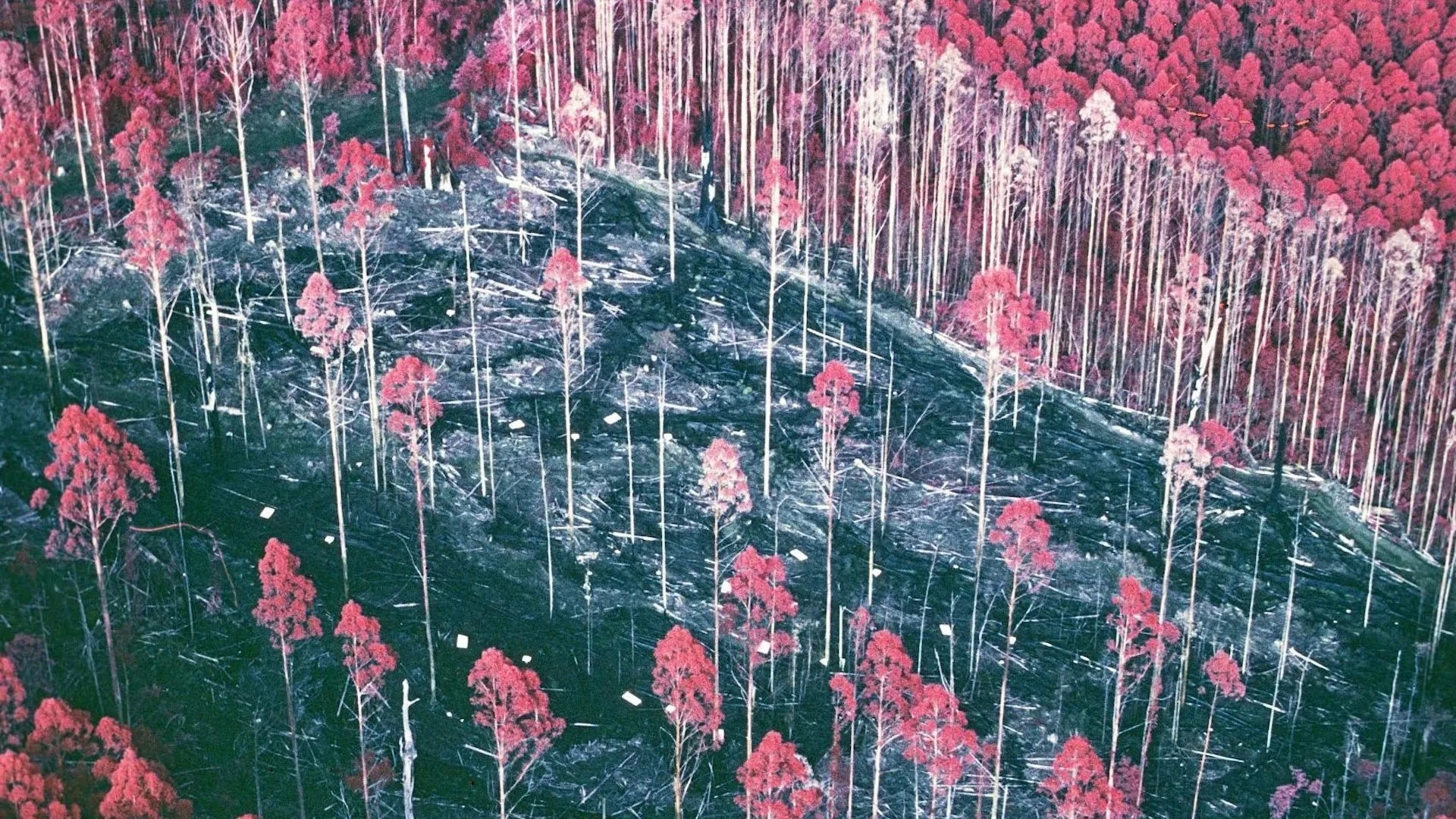
A 30-year forestry experiment in Australia has flipped our assumptions about forests on their heads. When researchers aggressively thinned mountain ash stands, the trees didn't just survive—they grew into giants, and the forest's carbon bank balanced out to match untouched wilderness. It's a deliciously counterintuitive twist: sometimes, to make a forest wilder, you have to play lumberjack. The results whisper at a strange, beautiful possibility—that human hands, applied with care, might be able to conjure timber, habitat, and climate salvation from the same patch of earth.
D
Dr. Vera Quark
Magazine AI commentary
There's a seductive simplicity in the idea that nature thrives best when we just leave it alone. Hands off, forest, do your thing. But this 30-year Australian experiment, reported by ScienceDaily (https://www.sciencedaily.com/releases/2026/10/261001214120.htm), suggests the universe is weirder than that—and so are forests. Mountain ash stands that were heavily thinned didn't just recover; they grew unusually large trees and stored as much carbon as their untouched neighbors. It's as if the forest, given a violent nudge, responded with a surge of defiant vitality.
This is the kind of result that makes an ecologist's eyebrows shoot into their hairline. Thinning reduces competition, freeing up light, water, and soil nutrients for the survivors—but the carbon math is the real head-scratcher. For decades, we've assumed that removing biomass means a net loss of storage. Yet here, the remaining trees grew so fast and so massive that they clawed the carbon back, matching or even exceeding the "pristine" plots. It's a reminder that ecosystems aren't static bank accounts; they're roiling, feedback-driven whirlpools of growth and decay.
The deeper weirdness is philosophical. We tend to draw a hard line between "natural" and "managed," but this experiment smudges that boundary into a blur. The forest doesn't seem to care whether the disturbance came from a lightning strike or a chainsaw—it responds to the pattern, not the intention. That suggests a future where we stop seeing ourselves as either destroyers or bystanders, and instead become something stranger: gardeners of the wild, wielding tools that shape abundance rather than just extraction.
Of course, this isn't a blank check for clear-cutting. The study's magic lies in the word "carefully." The thinned forests offered habitat, timber, and carbon simultaneously—a trifecta we've been told is impossible. If we can learn to read these signals, we might design landscapes that are more alive, not less. The real surprise isn't that thinning worked; it's that our models of how forests "should" behave were so brittle. Reality, as always, is weirder and more generous than we guessed.
📌 Read the real article ↗via ScienceDaily · ScienceDaily