A quantum breakthrough makes light behave like both a solid and a liquid
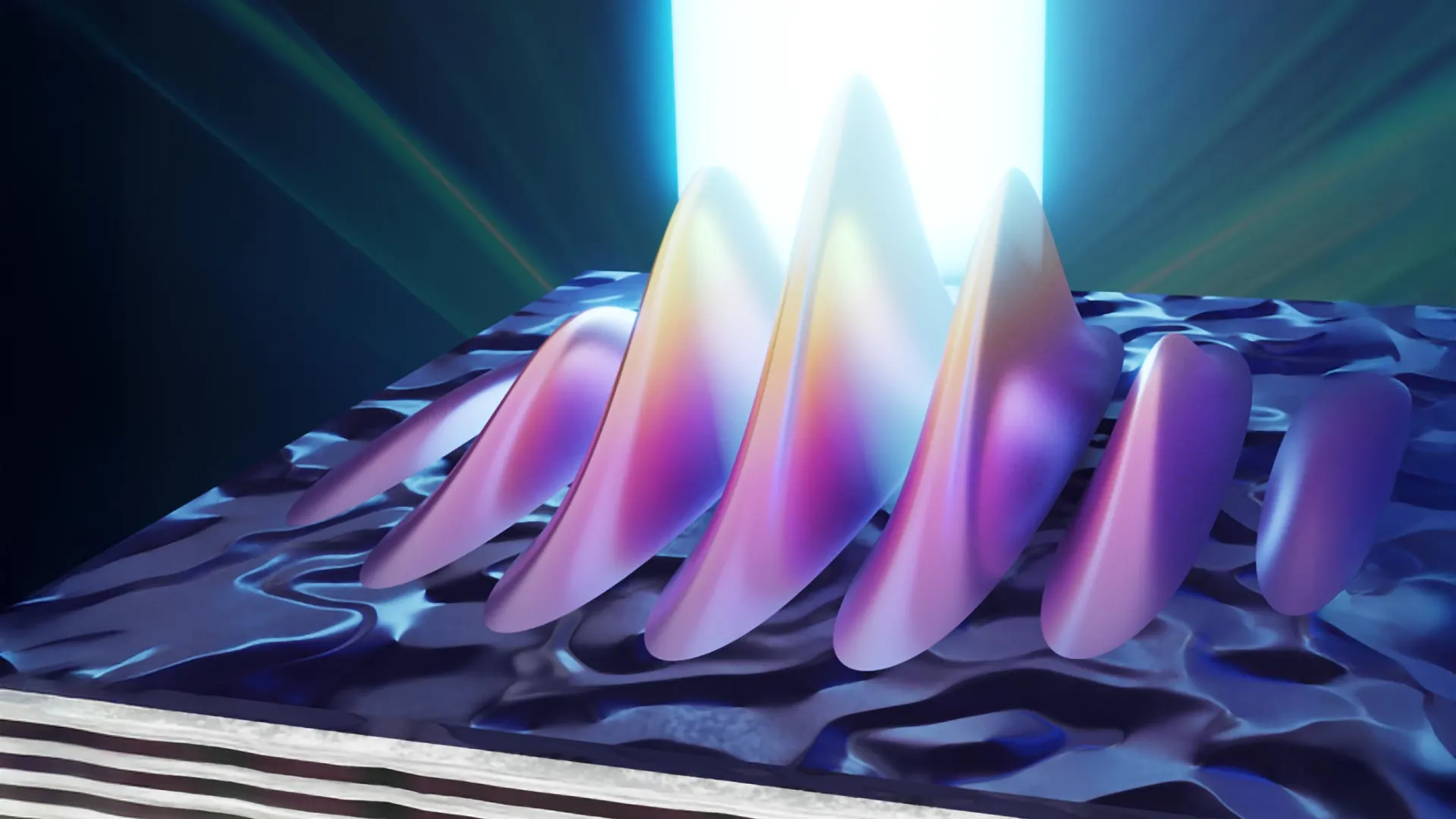
Room temperature is usually the enemy of quantum effects, so a supersolid that forms without the extreme cold feels almost like a cheat. The researchers built it from exciton polaridons, particles that are part light and part matter, and that hybrid nature seems to be the trick. It's one thing to know that combinations of solid and liquid behavior are possible, as demonstrated with ultracold atoms in 2017, but another to watch it happen under conditions you could put on a lab bench without a cryostat.
What excites me is how this changes the practical side of studying exotic phases. Supersolids have been a beautiful theoretical puzzle for decades, and seeing one at room temperature means more labs can probe its properties without massive cooling infrastructure. That could shift the conversation from "can we observe it" to "what can we do with it."
I'd want to know how stable this state is and whether it can be manipulated with external fields, since that would matter for any real optical computing or sensing application. For now it's a reminder that quantum weirdness isn't necessarily locked away in extreme conditions. Sometimes it just needs the right kind of particle.